

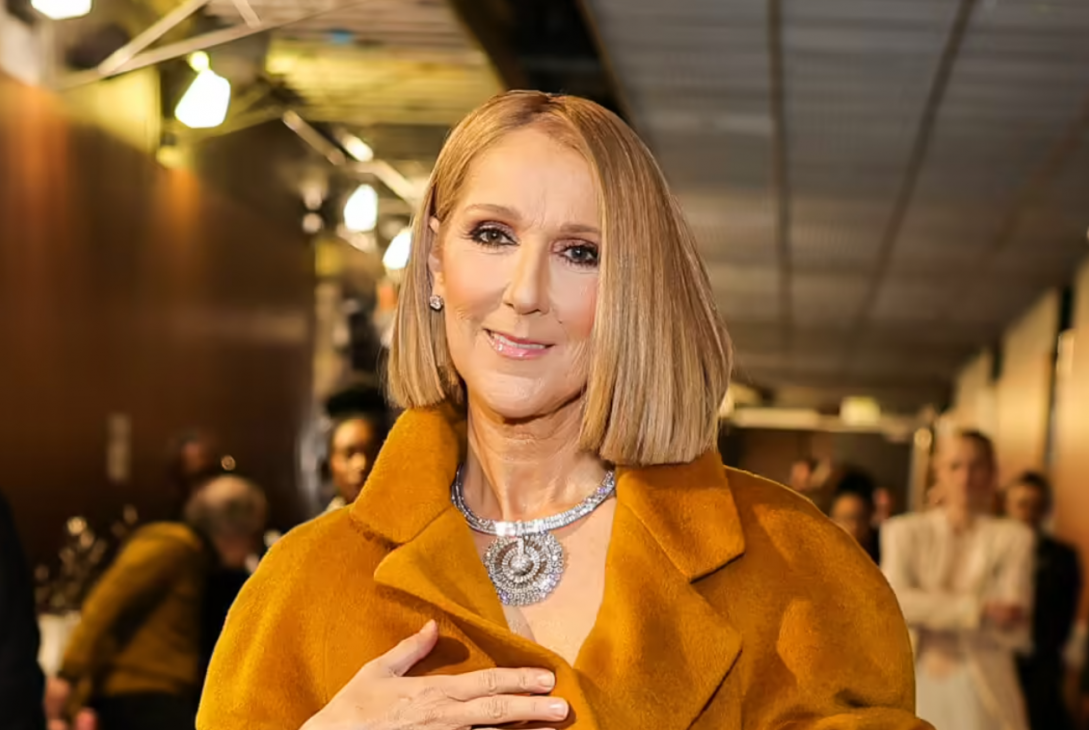
Celine Dion is widely regarded as one of the most technically accomplished and emotionally resonant vocalists in contemporary music history. Born on March 30, 1968, in Charlemagne, Quebec, Canada, Dion was the youngest of 14 children in a modest, music-oriented family. Her early exposure to performance, nurtured by her parents’ small piano bar, laid the foundation for what would become one of the most extraordinary careers in global entertainment.
Dion’s rise to prominence began in the Francophone music market during the 1980s, where she quickly became a celebrated figure in Quebec and across French-speaking regions. Her early albums showcased not only her remarkable vocal range but also her interpretive sensitivity—a rare combination that allowed her to stand out even among seasoned performers. Her victory at the 1988 Eurovision Song Contest, representing Switzerland, marked a pivotal turning point, introducing her to a broader European audience.
The transition to the English-language market was both strategic and transformative. With the release of Unison in 1990, Dion began to establish herself internationally. However, it was her subsequent albums—The Colour of My Love (1993), Falling into You (1996), and Let’s Talk About Love (1997)—that propelled her into superstardom. These projects were characterized by a blend of pop balladry, orchestral arrangements, and emotionally driven performances that appealed to a wide demographic.
“My Heart Will Go On,” the theme song from James Cameron’s Titanic, became a cultural phenomenon. Beyond its commercial success, the song demonstrated Dion’s unique ability to merge technical precision with profound emotional expression. It remains one of the most recognizable songs in cinematic history, symbolizing both romantic idealism and artistic excellence.
Throughout her career, Dion has demonstrated remarkable versatility. She has recorded in multiple languages and explored various musical genres, including pop, rock, classical crossover, and chanson. Her Las Vegas residencies redefined the concept of live entertainment, blending theatrical production with vocal performance on an unprecedented scale. These shows not only generated significant revenue but also influenced how artists approach long-term live engagements.
Dion’s personal life has also played a significant role in shaping her public image. Her relationship with René Angélil, who served as both her husband and manager, was central to her career development. His belief in her talent and his strategic vision were instrumental in her rise to global fame. Following his passing in 2016, Dion faced immense personal loss but continued to perform, demonstrating resilience and dedication to her craft.
In recent years, Dion has openly addressed her health challenges, including her diagnosis with Stiff-Person Syndrome. Her transparency has humanized her public persona, allowing audiences to connect with her on a deeper level. It also highlights the often-overlooked pressures faced by performers at the highest levels of the industry.
Celine Dion’s legacy extends beyond record sales and awards. She represents a rare combination of discipline, emotional intelligence, and artistic integrity. Her influence can be seen in generations of vocalists who cite her as an inspiration. More importantly, her work continues to resonate because it speaks to universal human experiences—love, loss, perseverance, and hope.